Your QR Codes Are a Black Hole. Here's How to Turn On the Lights.

I once spent $5,000 on a batch of beautiful, glossy flyers for a local event. On the bottom right corner, we slapped a QR code linking to the ticket page. We handed out thousands. The event came and went, and my boss asked a simple question: "How many ticket sales came from those flyers?" I had no earthly idea. The QR code was a direct link. For all I knew, it could have been responsible for 200 sales or zero. That $5,000 might as well have been thrown into a bonfire. It was a marketing black hole.
That failure was one of the most valuable lessons of my early career. A QR code or a shortened link isn't just a convenient shortcut; it's a data-gathering engine waiting to be switched on. Without tracking, you’re just guessing.
The Quick Win: Your Link Is a Data Source
Stop thinking of URL shorteners and QR codes as simple conveniences. Their real power lies in what happens between the scan and the landing page. The core solution is to use a service that turns every link into a trackable asset. Instead of linking directly to your site, you link to a short URL that *redirects* to your site. That tiny intermediate step is where the magic happens, capturing data on who is clicking, where they are, and when they’re engaging. Integrated tools make this a seamless part of your workflow, turning anonymous scans into actionable business intelligence.
Deep Dive: From Dumb Links to Smart Marketing
Let's move beyond the basics. We're not just talking about knowing *if* someone scanned your code. We're talking about understanding the entire user journey that starts with that scan. This is how you justify budgets and build campaigns that actually work.
Beyond the Scan: The Metrics That Actually Matter
The first mistake everyone makes is celebrating the number of scans. A high scan count is a vanity metric. It feels good, but it tells you almost nothing. 1,000 scans that result in zero sales are infinitely worse than 50 scans that result in 10 sales.
You need to be tracking metrics that inform business decisions:
- Click-Through Rate (CTR): Not just scans, but how many people *completed* the journey to your landing page.
- Geographic Data: Which locations are generating the most engagement? Knowing that the QR codes on tables at "Joe's Coffee" are getting 10x the clicks of the ones at "Cafe Nero" tells you where to focus your partnership efforts.
- Time-of-Day Analysis: Are people scanning your code during their morning commute or late at night? This informs when you should be running digital ads to reinforce your message.
- Device & Referrer Data: Knowing the breakdown between iOS and Android users can help prioritize app development. Understanding which physical locations (the "referrer" in an offline context) drive traffic is pure gold.
Pro Tip: Create a simple dashboard (even a spreadsheet) to track these key metrics week-over-week for any given campaign. Look for patterns. Is there a spike every Friday? Do scans die off after 6 p.m.? This is where real strategy begins.
Anatomy of a Trackable Campaign: The Restaurant Menu
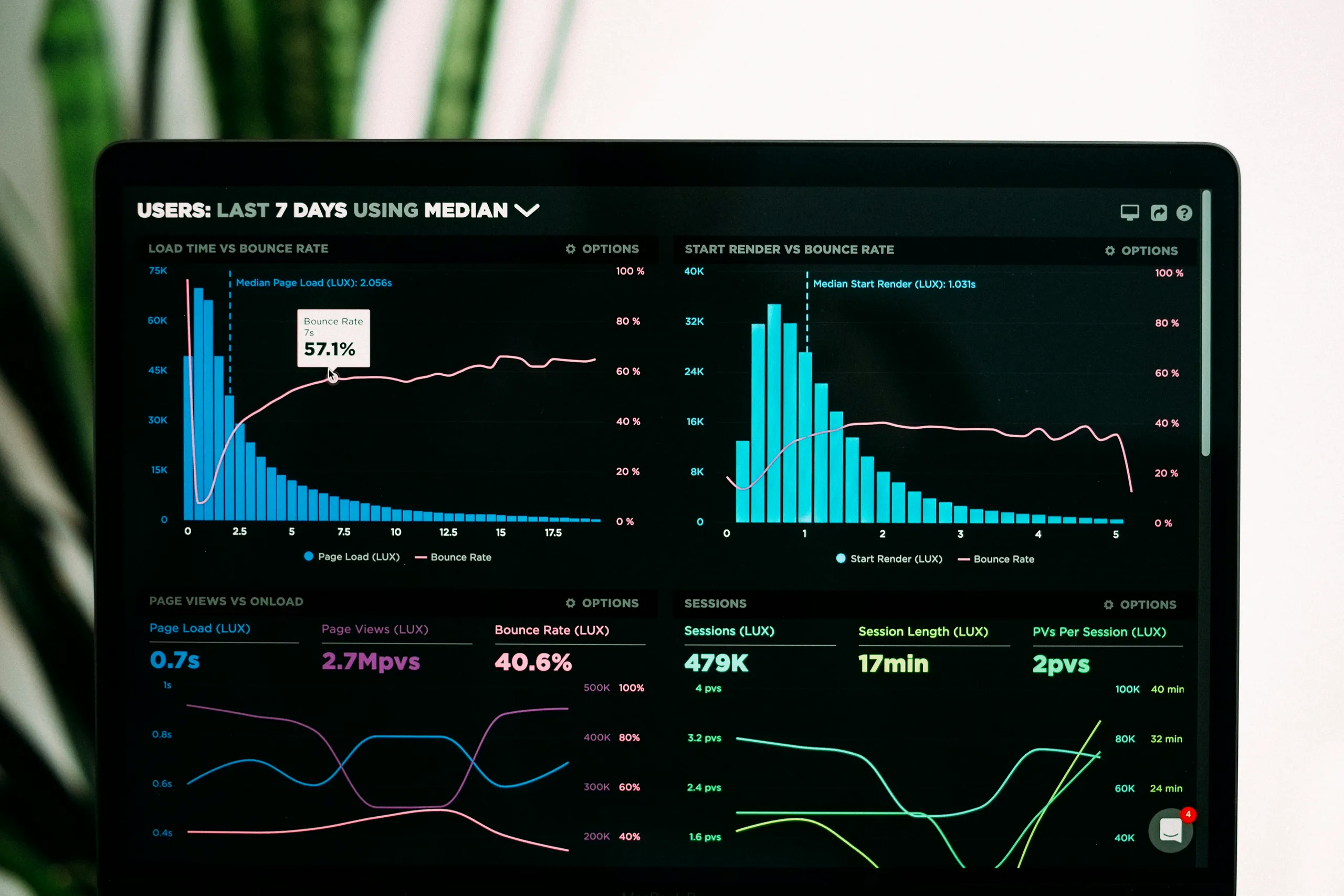
Let's get tactical. Imagine you're a restaurant wanting to boost your online ordering and loyalty program sign-ups. Slapping a generic QR code on the menu is lazy. A smart campaign is surgical.
Case Study: The Local Bistro's Digital Transformation
A bistro I advised was struggling with delivery app commissions. They wanted to drive customers to their own, more profitable ordering system. 1. We created two distinct short URLs using an integrated tool like PixnZip's URL shortener. One pointed to the online menu (`pxzp.io/menu`), and the other to the loyalty signup page (`pxzp.io/join`). 2. We generated two different QR codes from these tracked links. One, placed at the top of the menu, said "Scan to View Menu & Order Online." The other, a smaller one at the bottom next to the dessert section, said "Scan to Join Our Club & Get a Free Dessert." 3. We measured for two weeks. The results were eye-opening. The "Order Online" QR code got 1,200 scans and a 70% click-through rate, leading to a 25% increase in direct orders. The "Join Club" code got only 300 scans but had an 85% conversion rate to sign-up. People who scanned it were highly motivated. 4. The Insight: The main menu was for utility. The dessert section was for impulse and reward. By separating the links, we could prove the value of both placements and optimize the calls-to-action for each.
This isn't complex. This is a clear, repeatable workflow that turns a simple printed menu into a powerful digital marketing tool.
The Short URL: Your Secret Weapon for A/B Testing the Real World
Digital marketers live and breathe A/B testing—testing two versions of an ad or landing page to see which performs better. But how do you A/B test a physical flyer or a poster?
With tracked short URLs, it's easy. You use two different links that point to the *exact same destination page*. * Flyer design A gets a QR code generated from `your.link/flyer-A`. * Flyer design B gets a QR code generated from `your.link/flyer-B`.
You distribute both. After a month, you log into your analytics. If `flyer-A` got 500 clicks and `flyer-B` only got 150, you have a clear winner. You’ve just successfully A/B tested a physical piece of media using digital techniques. This is impossible without a shortener that provides analytics.
Pro Tip: You can test more than just design. Use different short links to test the offer itself. One poster could say "Scan for 10% Off" and another "Scan for a Free Sample." The click data will tell you which offer resonates more with your audience.
Dynamic QR Codes: Your Marketing "Undo" Button
Here’s a horror story I've lived through. You print 20,000 brochures for a trade show. The QR code links to a page on your website. The day before the show, someone in marketing decides to restructure the website, and that URL is now a 404 error. Your brochures are now expensive trash.
This is the problem with **static QR codes**. The destination URL is permanently encoded into the pattern. If the link breaks, the code breaks.
**Dynamic QR codes** are the solution. The QR code doesn't contain the final destination. It contains a short URL. You can log into your URL shortener service at any time and change where that short URL redirects to. * Website link breaks? No problem. Point the short URL to the new page. The QR code on your 20,000 brochures instantly works again. * Campaign over? Redirect the code to your homepage instead of a dead landing page.
Using a tool that generates dynamic codes, like the URL Shortener + QR Code Generator from PixnZip, isn't a luxury; it's insurance against costly mistakes.
The Counter-Intuitive Truth: More Scans Isn't Better
The popular advice is to "put QR codes everywhere!" On every ad, every page, every product. This is terrible advice. It leads to QR code blindness and, worse, a terrible user experience.
A QR code on the side of a highway billboard is useless. A code at the bottom of a TV ad that's on screen for three seconds is an exercise in frustration. The goal is not to maximize scans; it's to maximize *qualified engagement*.
The counter-intuitive strategy is this: use fewer, smarter QR codes. Place them where your user has the time, context, and motivation to act. * On a product's packaging? Perfect. They have the item in their hand and want to learn more. * On a table tent at a cafe? Brilliant. They have five minutes to kill while waiting for their coffee. * Next to a specific exhibit in a museum? Yes. It provides contextually relevant information right at the point of interest.
Stop blasting them everywhere and start placing them with surgical precision. One well-placed QR code is worth a thousand useless ones.
FAQ: Straight Answers from the Trenches
Are QR codes still relevant? I thought they were a fad.
They were a fad, then they became essential. Native camera integration on all major smartphones removed the biggest barrier (needing a special app). Now, they are the undisputed fastest way to bridge the physical and digital worlds. From restaurant menus to event tickets, they’re more integrated into our lives than ever.
What’s the biggest mistake people make with URL shorteners?
Using them only to make a long URL shorter. That’s the most superficial benefit. The biggest mistake is ignoring the analytics. The shortening is the feature; the tracking and the dynamic redirection are the real value.
What's the difference between a free public shortener and a tool like PixnZip's?
Public shorteners are fine for sharing a link with a friend. For a business, they're a liability. You often can't edit the links, the analytics are basic or non-existent, and you have no control over the branding. An integrated tool gives you dynamic control, detailed analytics, and a consistent experience, all in one place.
Is it creepy to track all this data?
It's all about intent. The data gathered is anonymous and aggregated—you're tracking that *a* user scanned from a cafe in London, not that *John Smith* did. This is standard marketing analytics, no different from how websites use Google Analytics to understand traffic. It's about improving the service, not spying on individuals.
Real Talk: Stop Flying Blind
Look at your marketing materials right now. Your business card, your latest flyer, the decal on your company van. If there’s a URL or a QR code on it, and you can’t tell me exactly how many people used it yesterday, you’re flying blind. You're wasting the opportunity to gather mission-critical data.
The mistake is treating these links as a passive afterthought. They are active tools.
Here’s my challenge to you. Don't wait. Pick one—just one—of those assets today. Go to an integrated platform like PixnZip and create a tracked, dynamic QR code for it. It will take you less than two minutes. Then, put it out in the world. Next week, log in and look at the data. For the first time, you’ll have turned a piece of paper into a data stream. That's the first step to marketing that works.